


 mistake is gripping too tightly with the knees, which stifles the horse’s momentum—instead, let your legs rest lightly around its barrel, cues subtle yet firm.
Transitioning to sitting trot requires deeper seat muscles: visualize “melting” into the saddle, maintaining steady contact with your reins to 1.000 Praxis-Tipps für Pferdebesitzer - Kauf, Gesundheit, Haltung, Training the horse’s frame. Practice posting on alternating diagonals to build muscle memory and keep the horse evenly engaged. Over time, den Trab richtig reiten isn’t just about technique—it’s about feeling the horse’s rhythm, responding to its cues, and moving as one fluid unit. Patience and consistent practice turn this essential gait into a testament of equestrian partnership.
Den Trab richtig reiten
2026-10-30 22:42:10
# Den Trab richtig reiten
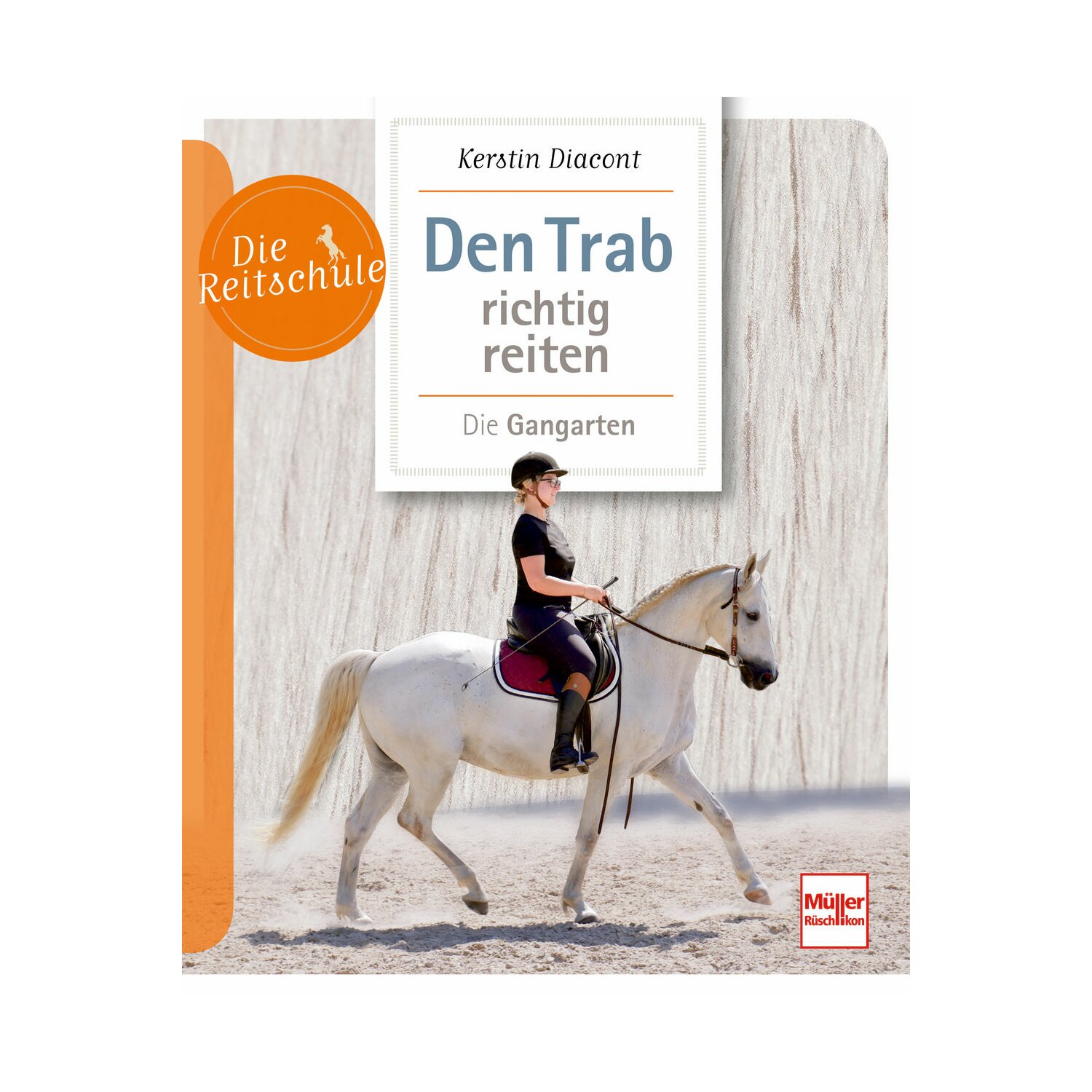
Mastering the trot—den Trab richtig reiten—elevates a rider’s harmony with their horse, turning basic movement into a graceful, controlled dialogue. This two-beat gait, with its distinct diagonal footfalls, demands precise balance and clear communication from the rider.
Start in a relaxed forward seat, heels down, and core engaged to absorb the horse’s rhythmic bounce. For rising trot, sync your lift with the horse’s outside foreleg and inside hind leg moving forward; stay seated for one beat, then rise softly, avoiding the temptation to brace against the saddle. A Den Trab richtig reiten mistake is gripping too tightly with the knees, which stifles the horse’s momentum—instead, let your legs rest lightly around its barrel, cues subtle yet firm.
Transitioning to sitting trot requires deeper seat muscles: visualize “melting” into the saddle, maintaining steady contact with your reins to 1.000 Praxis-Tipps für Pferdebesitzer - Kauf, Gesundheit, Haltung, Training the horse’s frame. Practice posting on alternating diagonals to build muscle memory and keep the horse evenly engaged. Over time, den Trab richtig reiten isn’t just about technique—it’s about feeling the horse’s rhythm, responding to its cues, and moving as one fluid unit. Patience and consistent practice turn this essential gait into a testament of equestrian partnership.
mistake is gripping too tightly with the knees, which stifles the horse’s momentum—instead, let your legs rest lightly around its barrel, cues subtle yet firm.
Transitioning to sitting trot requires deeper seat muscles: visualize “melting” into the saddle, maintaining steady contact with your reins to 1.000 Praxis-Tipps für Pferdebesitzer - Kauf, Gesundheit, Haltung, Training the horse’s frame. Practice posting on alternating diagonals to build muscle memory and keep the horse evenly engaged. Over time, den Trab richtig reiten isn’t just about technique—it’s about feeling the horse’s rhythm, responding to its cues, and moving as one fluid unit. Patience and consistent practice turn this essential gait into a testament of equestrian partnership.
Comment